Potassium Silicate Applications: How the Modulus Value (M) Determines the Right Choice
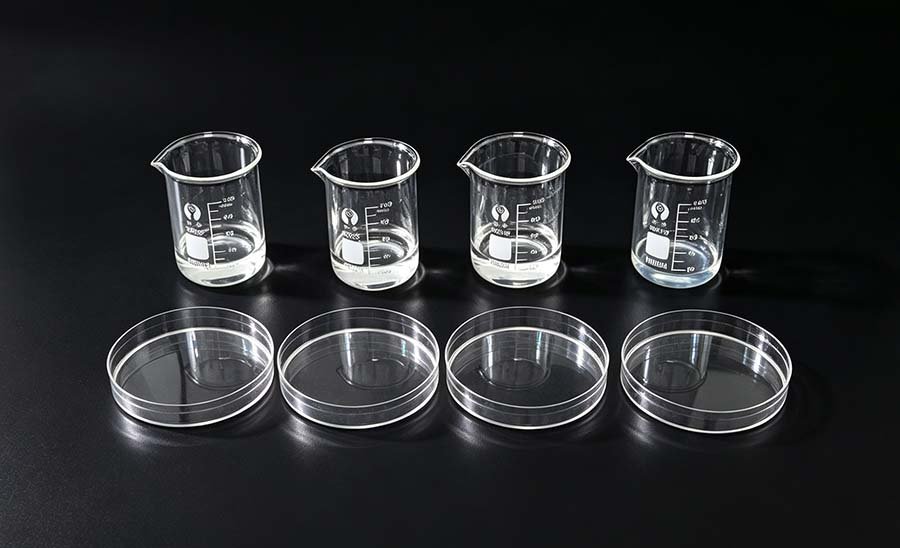
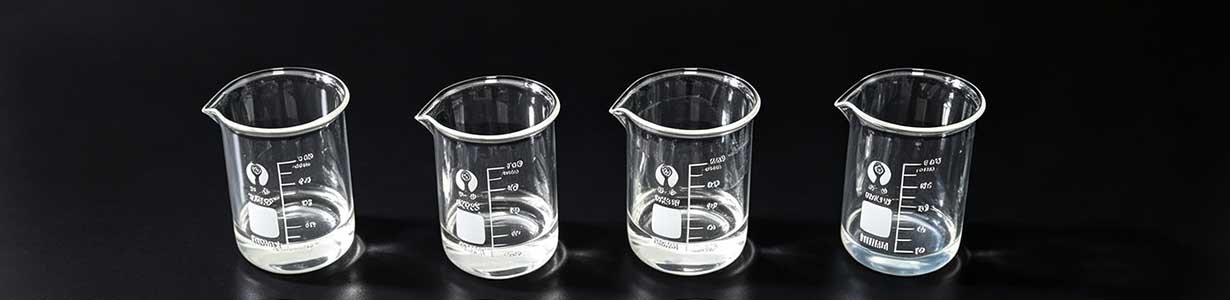
Potassium silicate is a versatile inorganic binder and coating material, but its performance is not one-size-fits-all. The key factor that determines its properties—is the modulus value (M) , defined as the SiO₂/K₂O molar ratio.
Understanding the difference between low-modulus and high-modulus potassium silicate is essential for selecting the right product for your project. This guide breaks down the typical modulus ranges, their performance characteristics, and their specific application scenarios.
What Is the Potassium Silicate Modulus Value (M)?
The modulus value (M) represents the SiO₂/K₂O molar ratio in the potassium silicate solution. It directly influences:
·Water solubility
·Film-forming behavior
·Cross-linking density
·Temperature resistance
·Cost and stability
In general, potassium silicate products fall into two categories: low-modulus (M=2.5~3.5) and high-modulus (M=3.5~5.0) .
Low-Modulus Potassium Silicate (M=2.5~3.5): Versatile and Cost-Effective
Key Characteristics
·High K₂O content: Improves water solubility and reactivity.
·Excellent water solubility: Easy to dilute and apply.
·Fast film-forming at low temperatures: Ideal for ambient curing.
·Cost-effective: Lower raw material cost compared to high-modulus grades.
Primary Applications
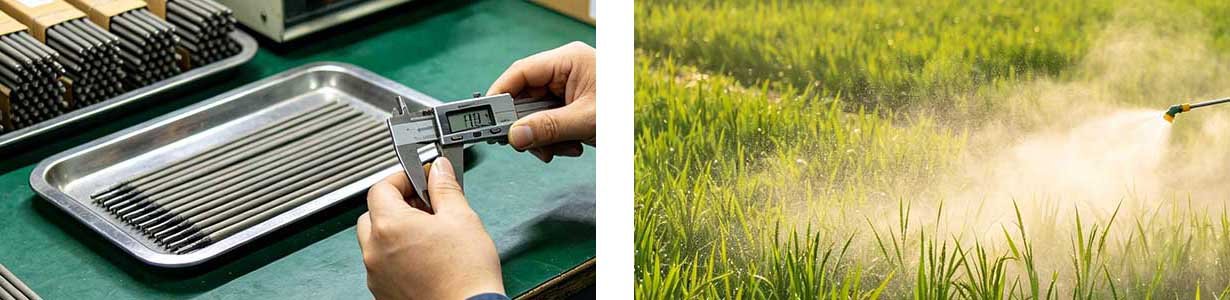
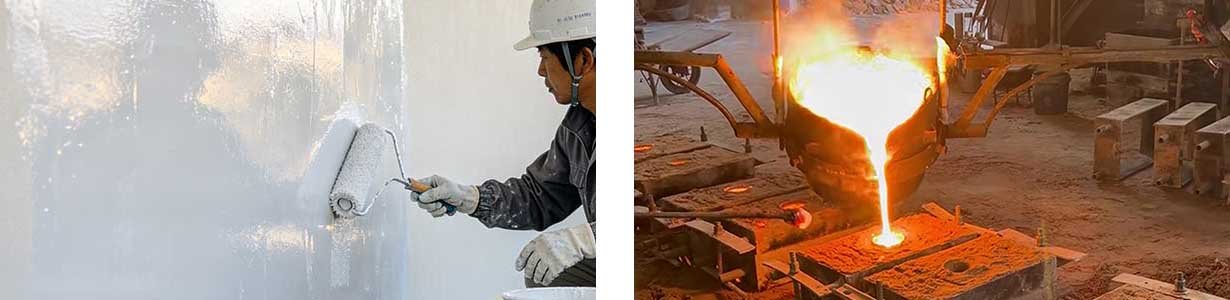
1.Room-temperature curing coatings – Used as a binder in architectural and protective coatings that cure at ambient conditions.
2.Construction adhesives – Provides strong bonding for inorganic substrates such as concrete, stone, and ceramics.
3.Silicon-potassium fertilizer – Widely used in agriculture as a soluble source of potassium and silicon, enhancing plant strength and disease resistance.
Low-modulus potassium silicate is the preferred choice when solubility, low-temperature curing, and cost efficiency are priorities. These characteristics make it one of the most accessible potassium silicate applications for everyday industrial and agricultural use.
High-Modulus Potassium Silicate (M=3.5~5.0): High-Performance and Heat-Resistant
Key Characteristics
·High SiO₂ content: Increases cross-linking density and mechanical strength.
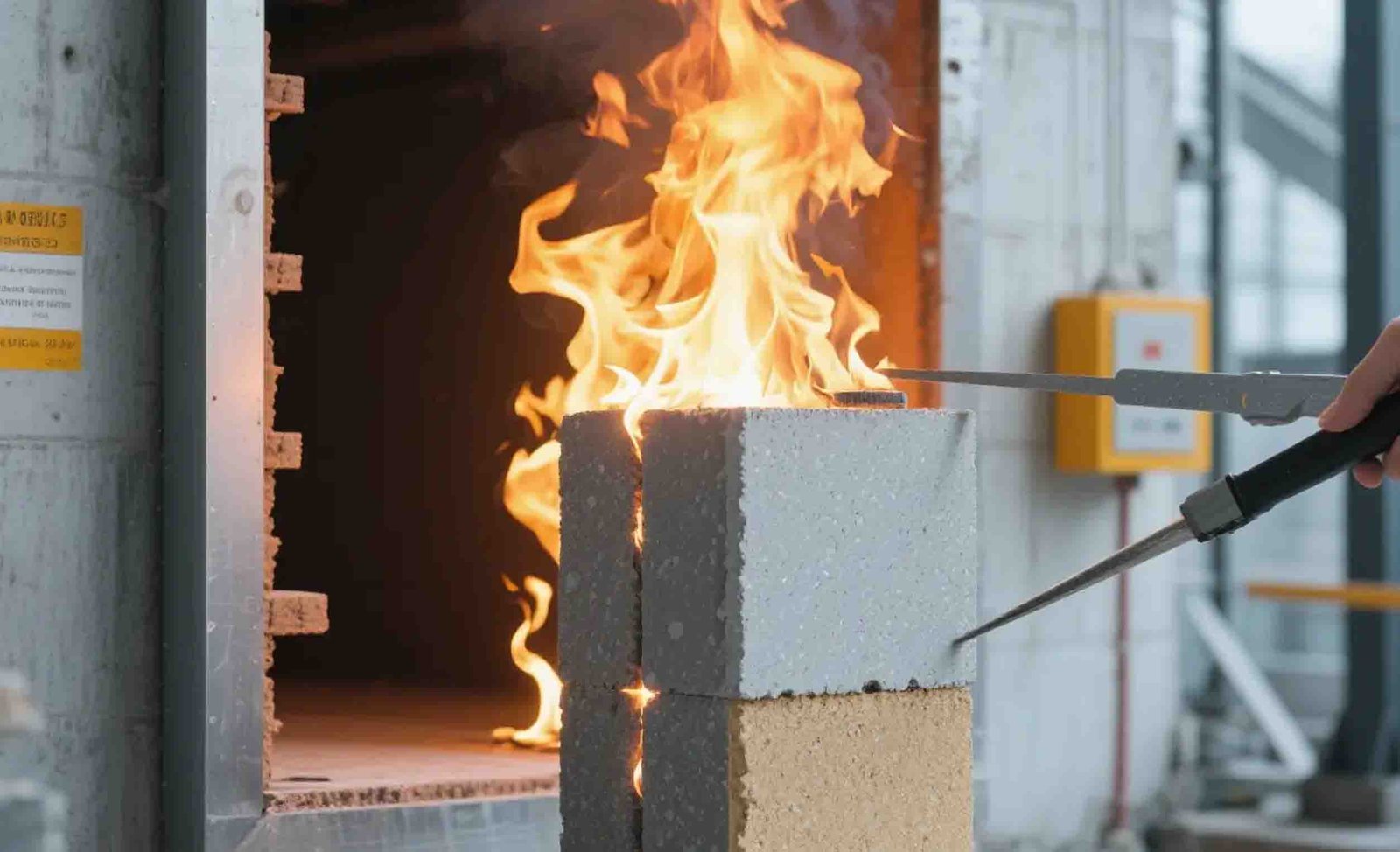
·Temperature resistance up to 800~1000°C: Suitable for extreme heat environments.
·Higher price: Reflects the higher silicon content and processing requirements.
·Slightly poorer stability: Requires more careful storage and handling compared to low-modulus products.
Primary Applications
1.High-temperature resistant coatings – Used in industrial settings where thermal protection is critical, such as exhaust systems and kiln linings.
2.Precision casting surface coatings – Provides a refractory surface layer for investment casting and mold shells.
3.Furnace repair materials – Ideal for patching and lining furnaces, boilers, and other high-heat equipment.
High-modulus potassium silicate is the material of choice when thermal stability, structural integrity, and refractory performance are essential. In these demanding environments, the modulus plays a decisive role in determining the material’s heat resistance and durability.
Comparison Table: Low-Modulus vs High-Modulus Potassium Silicate
| Property | Low-Modulus (M=2.5~3.5) | High-Modulus (M=3.5~5.0) |
| SiO₂/K₂O Ratio | Lower | Higher |
| Water Solubility | Excellent | Good |
| Film-Forming | Fast at low temperature | Requires higher temperature |
| Temperature Resistance | Moderate | 800~1000°C |
| Cross-Linking Density | Lower | Higher |
| Cost | Lower | Higher |
| Stability | Better | Slightly poorer |
| Typical Applications | Coatings, adhesives, fertilizer | Refractory coatings, precision casting, furnace repair |
How to Choose the Right SiO₂/K₂O molar ratio of Potassium Silicate for Your Application
Selecting the correct grade depends on your specific performance requirements:
Need ambient curing and cost efficiency? → Choose low-modulus.
Need high-temperature resistance and structural strength? → Choose high-modulus.
Working with agricultural formulations? → Low-modulus is typically preferred.
Working with foundry or furnace applications? → High-modulus is the standard.
If you are unsure which modulus value is best for your project, technical consultation can save time and reduce trial-and-error costs. Matching the right grade to the right potassium silicate applications ensures optimal performance and cost efficiency.
Conclusion
The modulus value (M) of potassium silicate is the single most important parameter for matching the material to its application. Low-modulus potassium silicate (M=2.5~3.5) excels in water solubility, low-temperature curing, and cost-sensitive applications such as coatings, adhesives, and fertilizers. High-modulus potassium silicate (M=3.5~5.0) delivers superior heat resistance and cross-linking density for high-temperature coatings, precision casting, and furnace repair.
By understanding how the SiO₂/K₂O molar ratio affects performance, you can optimize your formulation, reduce costs, and ensure the success of your project. Whether you are developing agricultural fertilizers or refractory coatings, selecting the correct modulus grade is the foundation of successful potassium silicate applications.
Looking for the Right Potassium Silicate Supplier?
If you have application demands for potassium silicate—whether low-modulus or high-modulus—please feel free to leave your contact information for further technical communication and cooperation. Our team can help you select the optimal grade based on your specific performance requirements. From agricultural fertilizers to high-temperature refractory coatings, we support the full range of potassium silicate applications.