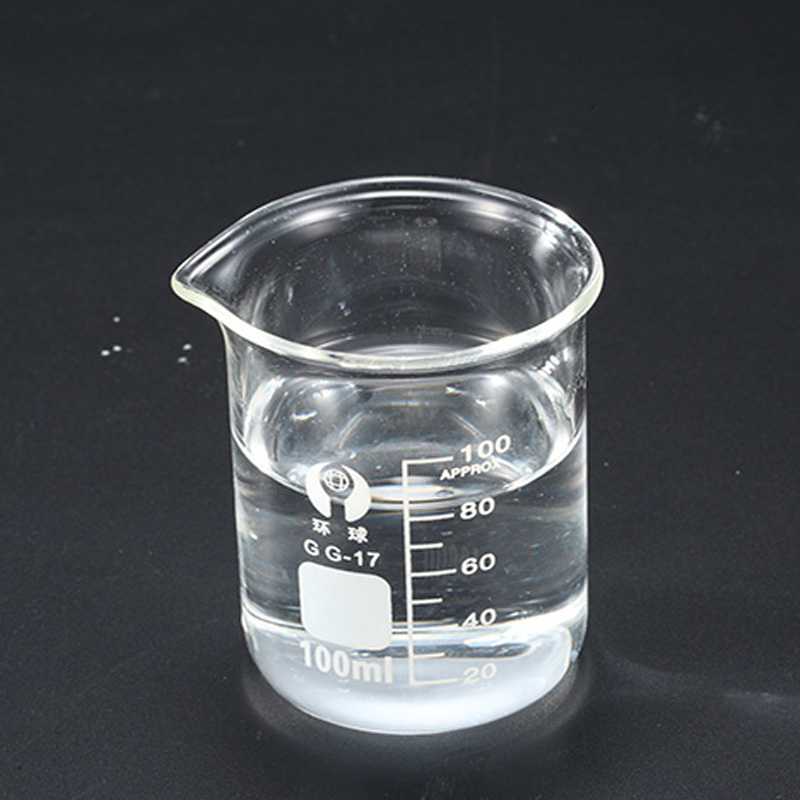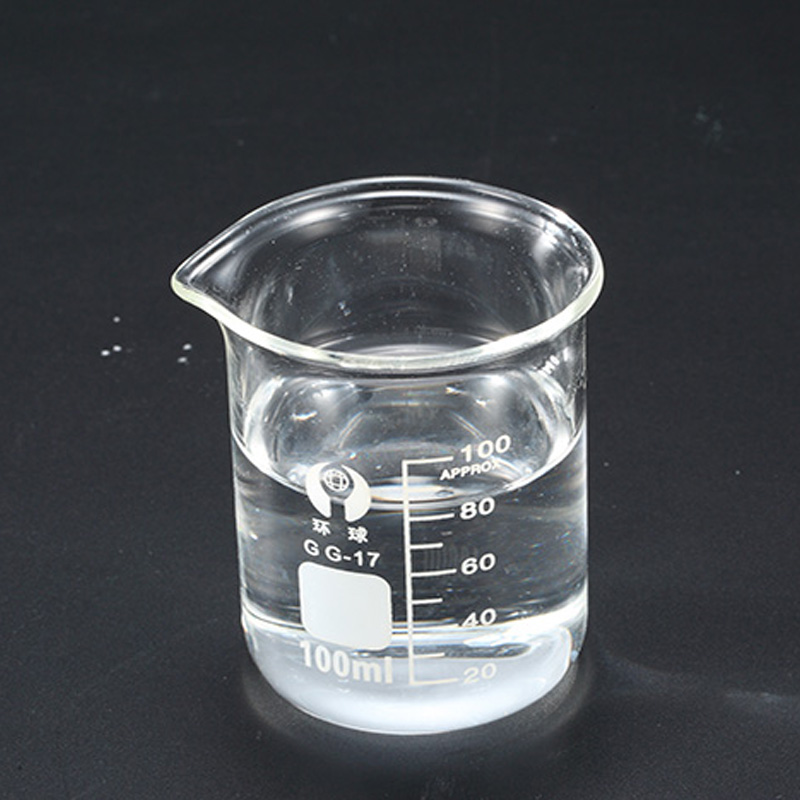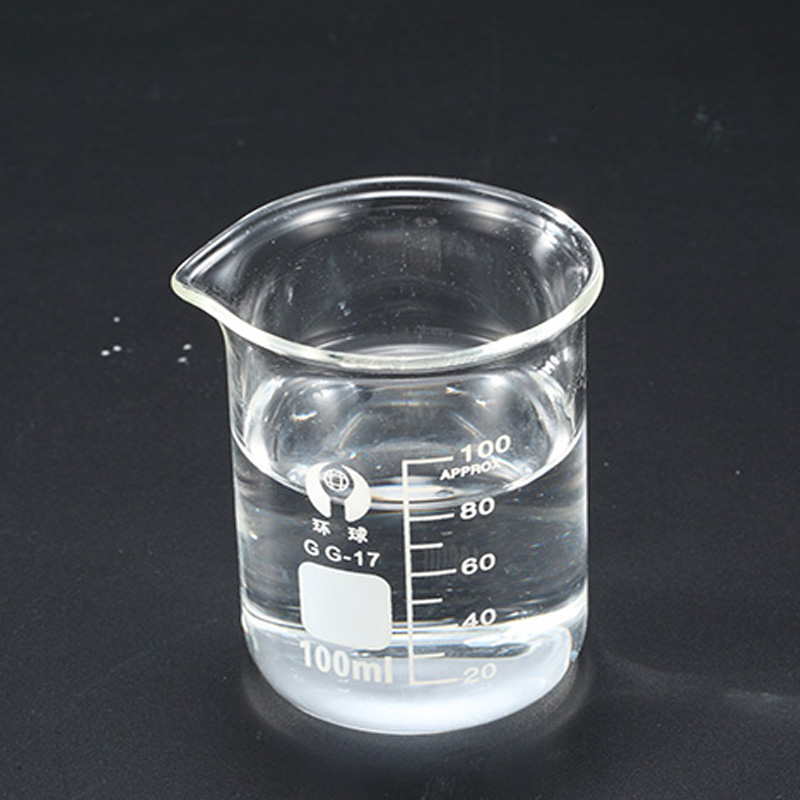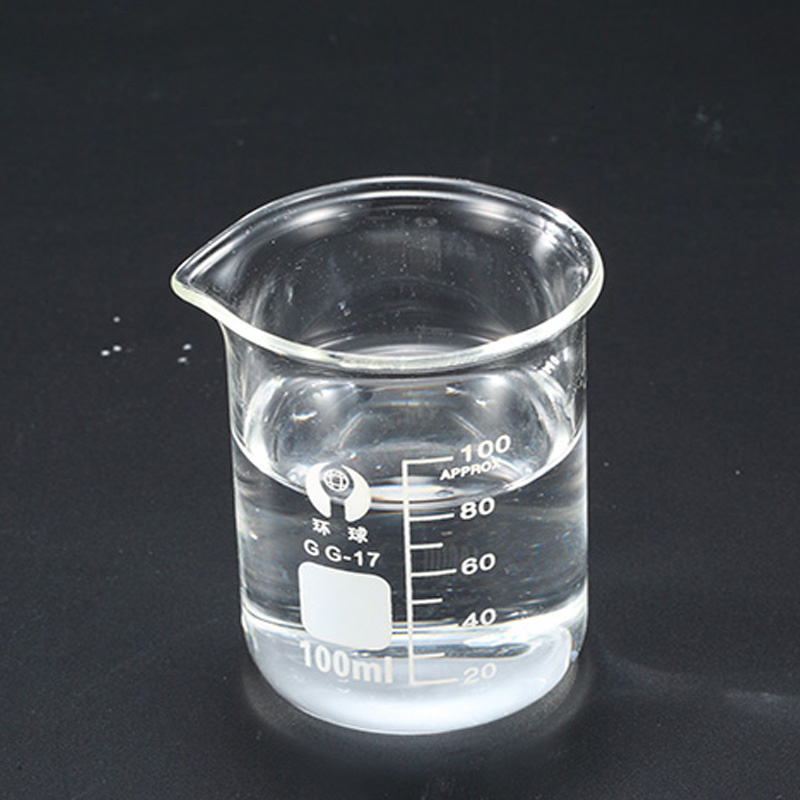
Many growers are unfamiliar with potassium silicate and have no idea how to use it as a foliar fertilizer. In fact, its application in agriculture is becoming increasingly widespread, especially in enhancing crop resilience, strengthening stem strength, and improving the protective structure of leaves. Today, we will briefly introduce the product features, application methods, and precautions of potassium silicate foliar fertilizer.
What Is Potassium Silicate for Foliar Fertilization?
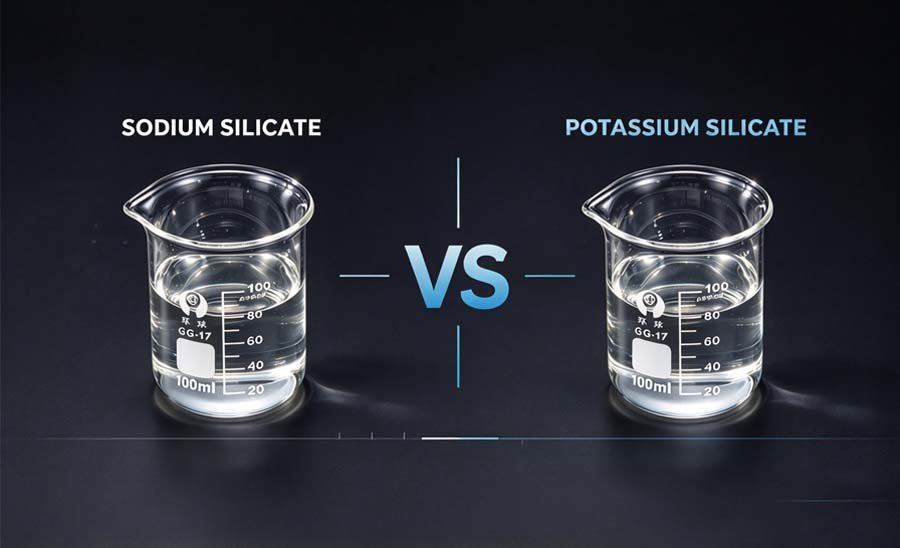
Potassium silicate is a compound containing silicon and potassium. When used as a potassium silicate fertilizer, it can be absorbed through the leaves and participate in the silicification process of plant cell walls. It not only replenishes potassium but also forms a protective structure similar to “armor” on the leaf surface, helping crops better cope with diseases, pests, drought, and lodging.
Our factory produces foliar potassium silicate with a Baume degree of 46–48°Bé and a modulus of 2.2. It is very convenient to use.
Product Indicators: 46–48°Bé, Modulus 2.5-2.6
|
Liquid Potassium Silicate Modulus 2.5-2.6 |
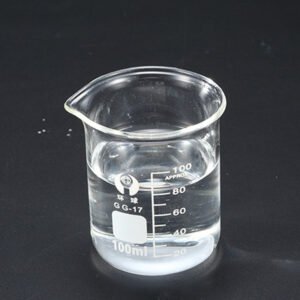
Baume degree: 46–48°Bé | Modulus: 2.5-2.6 |
| This indicates a high product concentration, belonging to a concentrated solution. When using, it is necessary to dilute in proportion. | The modulus affects the stability and absorption effect of potassium silicate. A modulus of 2.5 is suitable for foliar spraying applications. |
These two indicators determine whether the diluted potassium silicate foliar fertilizer can stably adhere to the leaf surface and be effectively absorbed by the crops.

Why Conduct a Small-Scale Test Before Application?
Although foliar potassium silicate is generally safe, different crops, different growth stages, and different climatic conditions have different tolerances. Therefore, before large-scale application, it is recommended to conduct a small-scale crop trial.
The benefits of doing so are:
1.Observing whether the crops show any adverse reactions;
2.Determining the appropriate dilution ratio for local crops;
3.Avoiding problems such as leaf burning or spots after large-scale spraying.
Dilution Ratio and Phytotoxicity Observation Method
It is recommended to prepare two dilution solutions for a small-scale comparison:
·1000-fold dilution: 1 mL of original solution + 1 L of water
·1500-fold dilution: prepared in the same way
Spray them separately, and observe for 2–3 days, focusing on whether the leaves show abnormalities. If there is no adverse reaction, then use it in the entire field.
These basic potassium silicate foliar spray instructions help growers avoid unnecessary crop damage and choose a safer concentration.
How to Determine If the Concentration Is Appropriate
After spraying, if the leaf surface shows a shiny and oily appearance, it usually indicates an appropriate concentration.
If the following situations occur, it may indicate that the concentration is too high:
·Leaves show brown spots;
·Leaves wilt;
·Leaf edges scorch or curl.
Once these signals appear, subsequent spraying should increase the dilution ratio and reduce the concentration to avoid further harm to the crops. Following proper potassium silicate foliar spray instructions is essential for safe and effective use.
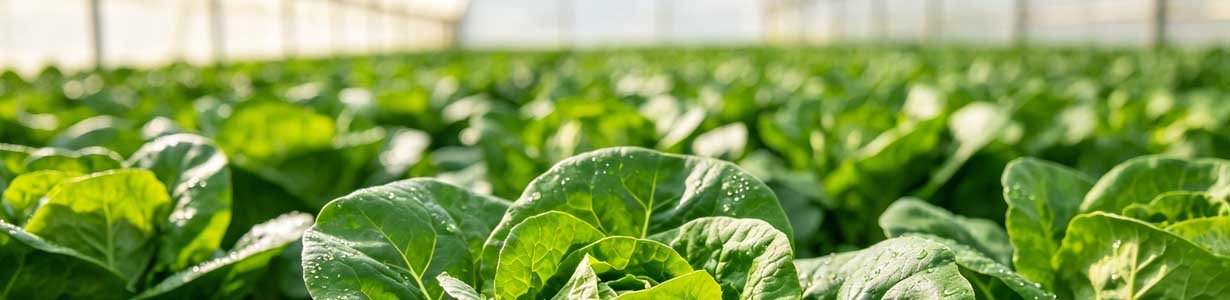
Four Major Functions of Potassium Silicate Foliar Fertilizer
1. Promote Cell Wall Silicification, Giving Plants a “Protective Armor”
Potassium silicate foliar fertilizer can promote the silicification of plant cell walls, making the cell walls more solid and forming a natural protective barrier.
2. Enhance Stem Strength, Reduce Lodging
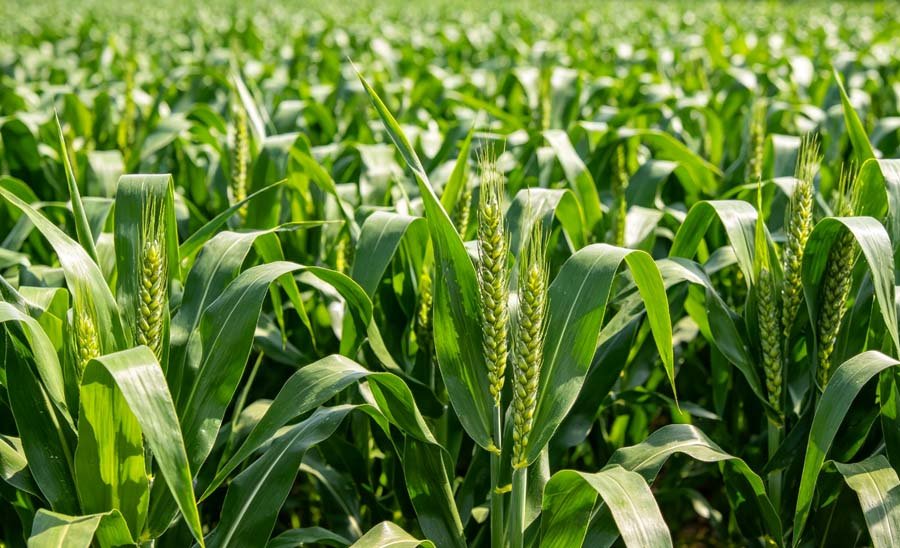
For cereal crops such as wheat, rice, and corn, potassium silicate lodging resistance helps the stems become thick and strong, reducing the risk of lodging.
3. Thicken the Leaf Cuticle, Improve Resistance to Pests and Diseases
After the leaf cuticle thickens, pathogens and pests are less likely to invade, providing certain auxiliary resistance against diseases such as rice blast, powdery mildew, and aphids.
4. Improve Drought Resistance and Other Stress Resistance
The silicified structure can reduce water evaporation, helping crops maintain a better state in drought conditions. As a potassium silicate fertilizer, it also supports overall plant strength and resilience.
Optimal Spraying Period and Frequency
To achieve better results, it is recommended to spray 1–2 times during the critical stress resistance growth period of the crops, such as:
·Wheat booting period
·Fruit tree fruiting period
·Other growth stages with greater stress on the crops
Using foliar potassium silicate during these periods can better exert the functions of potassium silicate in enhancing stress resistance, protecting leaves and stems.
Free Samples and Contact Information
If you are interested in potassium silicate foliar fertilizer, please leave your contact details. We can provide free samples to allow you to conduct a small-scale trial first, and then decide whether to use it on a large scale.
Request a TDS | Request a Sample | Get a Quote
Frequently Asked Questions (FAQ)
1. How much should the potassium silicate foliar fertilizer be diluted?
It is recommended to conduct 1000-fold and 1500-fold small-scale trials first. Observe for 2–3 days without any adverse effects, and then choose an appropriate dilution ratio based on the response of the crops.
2. Is it normal for the leaves to become shiny after spraying?
Yes. The leaves showing a shiny and oily appearance usually indicate an appropriate concentration.
3. What should be done if brown spots appear on the leaves?
It may be due to excessive concentration. Increase the dilution ratio and gradually reduce the usage concentration later.
4. When is the best time to spray for the best effect?
During critical stress-resistant periods such as wheat jointing stage and fruit tree fruiting stage, spraying 1–2 times is more effective.
5. Can free samples be provided?
Yes. Just leave your contact information and you can apply for the free samples.